Biodiversity at the EcoPark
From the earliest stages through to construction, North London Heat and Power Project has been developed with a consistent focus on protecting and enhancing the surrounding natural environment. A detailed management approach guides all site activity, ensuring that wildlife is safeguarded and disruption is kept to a minimum. At the heart of this work is a commitment to supporting biodiversity by creating and maintaining habitats for a wide range of species.
Particular attention has been given to nocturnal wildlife, especially bats that use the EcoPark site's eastern boundary as a corridor for commuting and foraging. Lighting as part of construction of the Energy Recovery Facility has therefore been designed to minimise disturbance, with low-level, motion-activated lights and careful positioning to maintain dark routes. Alongside this, natural materials from the site have been repurposed to create hibernacula, which now provide shelter for a variety of smaller species.
The EcoPark’s location alongside key waterways has also shaped its environmental approach. These watercourses support a range of wildlife and connect to the wider Lea Valley ecosystem, making their protection a priority. Throughout construction, industry-leading practices have been implemented to carefully manage surface water and groundwater, preventing pollution and reducing potential impacts. At the same time, new habitat features such as bird boxes, bat boxes and insect hotels have been installed across the site to encourage species diversity and strengthen local ecosystems.
Efforts also include continuous monitoring of dust and vibration to ensure that construction activity remains within safe limits and protects nearby habitats. Together, these measures demonstrate how thoughtful planning, simple interventions and ongoing stewardship can enable major infrastructure projects to coexist with and actively support the natural world.
|
Image

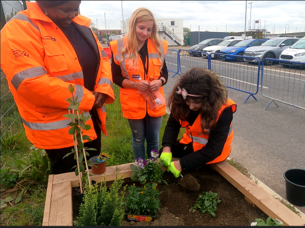
Planters and Rainwater HarvestingAs an operational industrial site, opportunities to enhance biodiversity at NLHPP are limited. We identified an opportunity for small moveable green infrastructure to create pocket gardens on site, linking with the community to build the planters. Recycling timber from the wood skip on site, we built planters for perennials and shrubs in the area, along with rainwater harvesting facilities to water the plants. With support from local young people with special education needs and disabilities, we planted flowers such as Marigold, Sweet Peas and Sweet Williams which will support insect life. The value of this innovation:
Image
|
|
Image
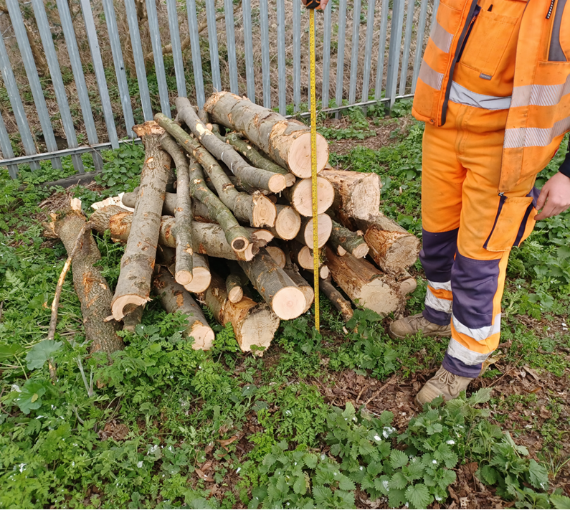
HibernaculaOn EcoPark South, we created hibernacula out of unwanted wood, using existing vegetation to create a habitat for amphibians and reptiles to use throughout the winter to protect themselves from the cold. Connecting this hibernacula to the woodland on site provides a safe green corridor for wildlife on site to rest and take shelter. The value of this innovation:
Image
|